
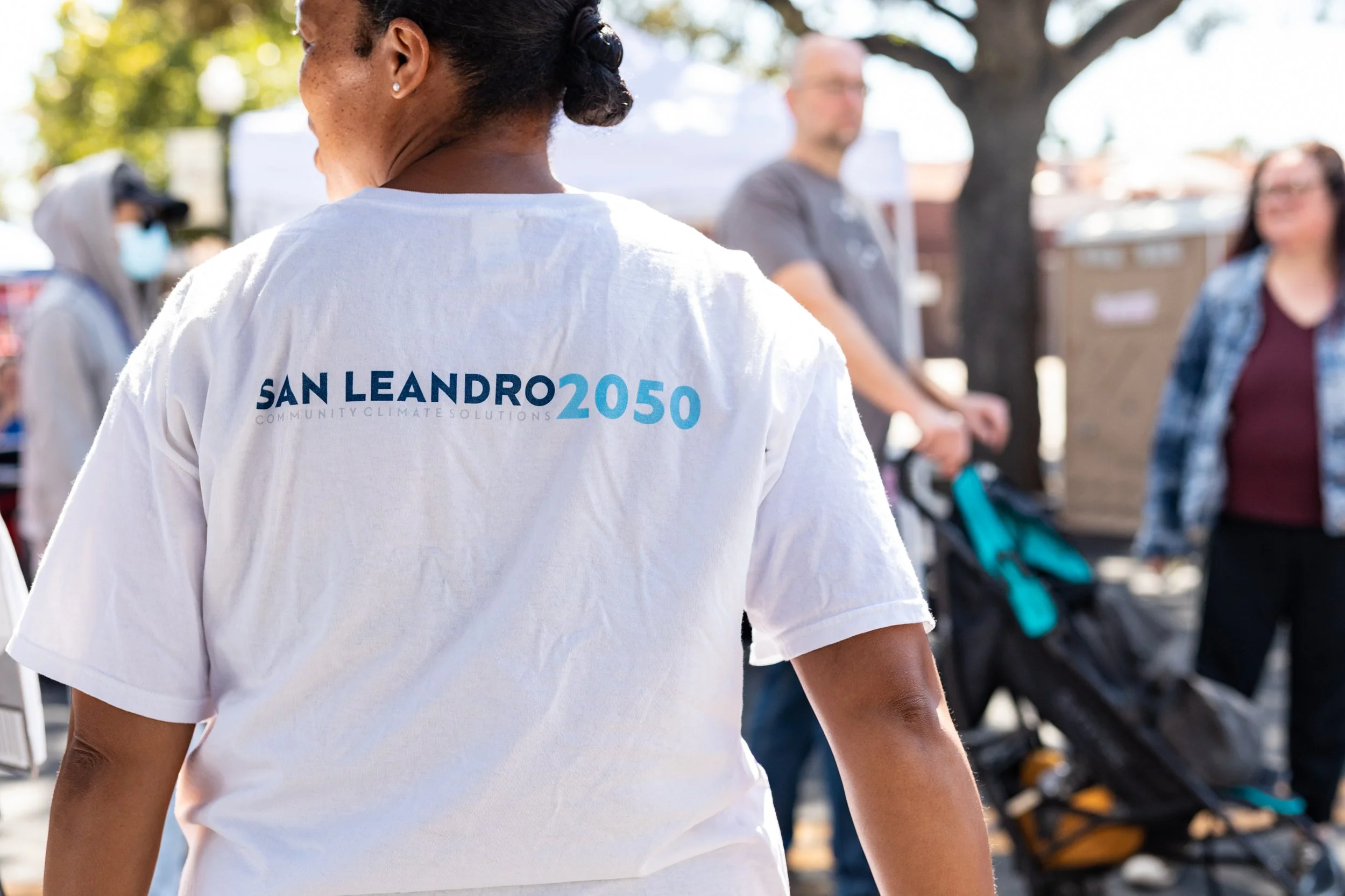
cOMMUNITY ENGAGEMENT | san leandro 2050 In partnership with San Leandro 2050, we’ve engaged hundreds of community members across the city, connecting them with opportunities to take meaningful climate action and build a more resilient San Leandro.
How do you turn climate awareness into lasting community action?
San Leandro faces significant environmental challenges, from industrial air pollution to climate-related risks that disproportionately affect lower-income communities. In 2019, San Leandro 2050 launched to engage residents in shaping a healthier, more resilient future. But as the initiative evolved, our central challenge became, how do you move residents from climate awareness to sustained community action? Traditional climate messaging often felt disconnected from residents' everyday priorities, while conventional public engagement struggled to sustain participation beyond individual meetings. Our challenge was to reframe climate action around the things people cared about most, including health, safety, affordability, and community connection and create meaningful opportunities for residents to become long-term partners in building climate resilience.
-
Reframed climate communications around community pride, public health, neighborhood livability, and the everyday priorities of residents. Developed accessible messaging, visual storytelling, and creative materials to make climate action tangible and relevant.
-
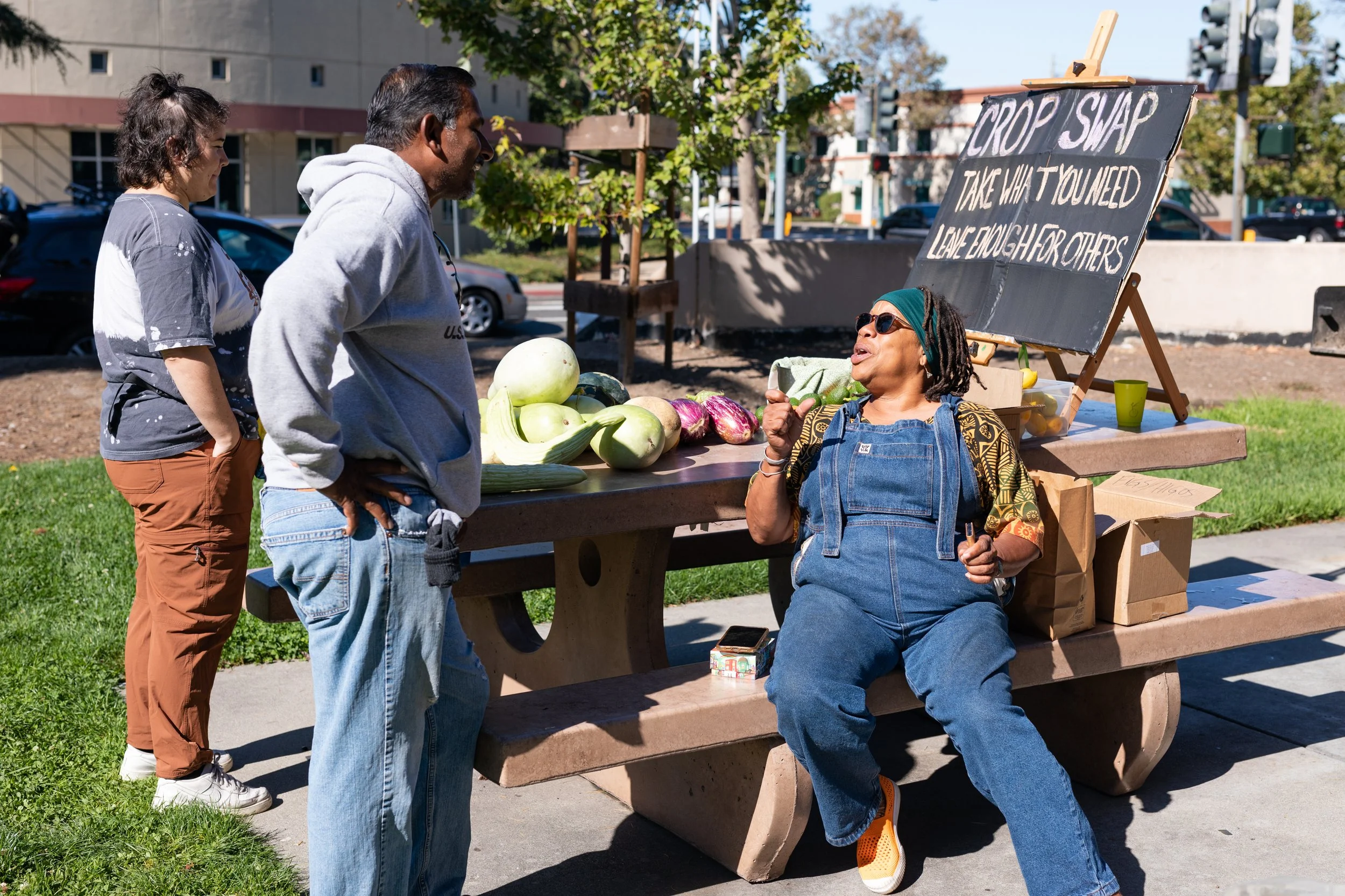
Convened neighborhood meetings, engaged residents in developing air quality and climate priorities, and built partnerships with local organizations and trusted messengers to broaden participation and strengthen community leadership.
-
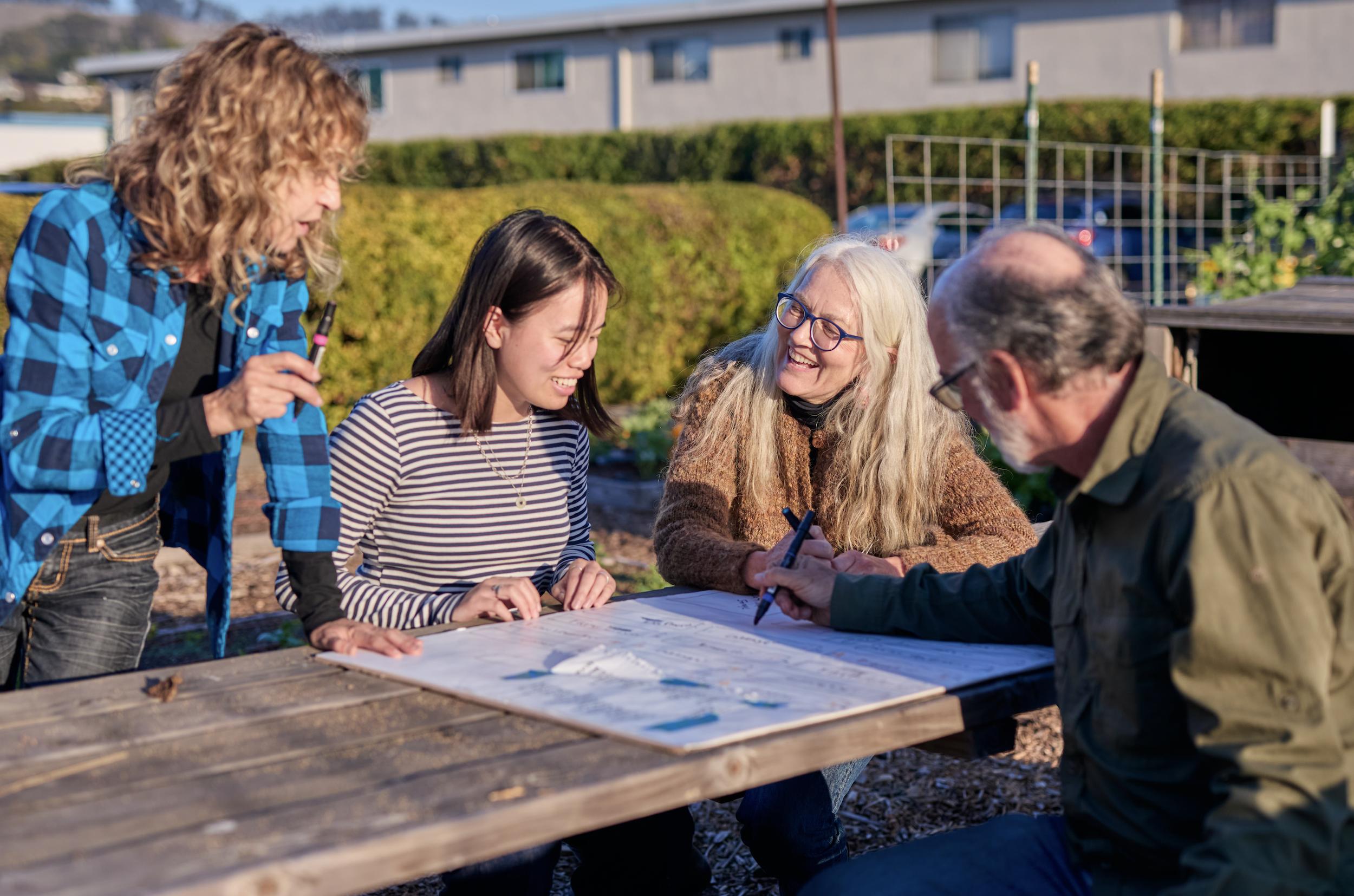
Partnered with Bethel Community Church to transform an underutilized garden into a neighborhood resilience hub. Established recurring gatherings and opportunities for shared stewardship, creating lasting pathways for residents to connect, collaborate, and lead local climate solutions.
Climate communications has shifted from proving the problem to building public agency. For years, we relied on images of melting ice shelves, polar bears, and disasters to communicate urgency. But these narratives rarely helped people see themselves as part of the solution. Today, the challenge isn't simply getting people to care about climate change. It's helping them understand how they can contribute to a better future.
— Emily Breslin, Open Media
Case studyWhere Does Climate Communications Go Next?
San Leandro faces significant environmental challenges, with lower-income neighborhoods near the I-880 corridor and industrial areas experiencing disproportionate air pollution and climate risks.
Launched in 2019, San Leandro 2050 set out to engage residents in reducing greenhouse gas emissions and building a more resilient city. But over several years, our work revealed a larger challenge: The barrier to climate action wasn't necessarily a lack of concern but a lack of meaningful opportunities to act.
Our strategy evolved from communicating the urgency of climate change to building the relationships, shared spaces, and community infrastructure needed for sustained action.
01. From Engagement to Community Ownership
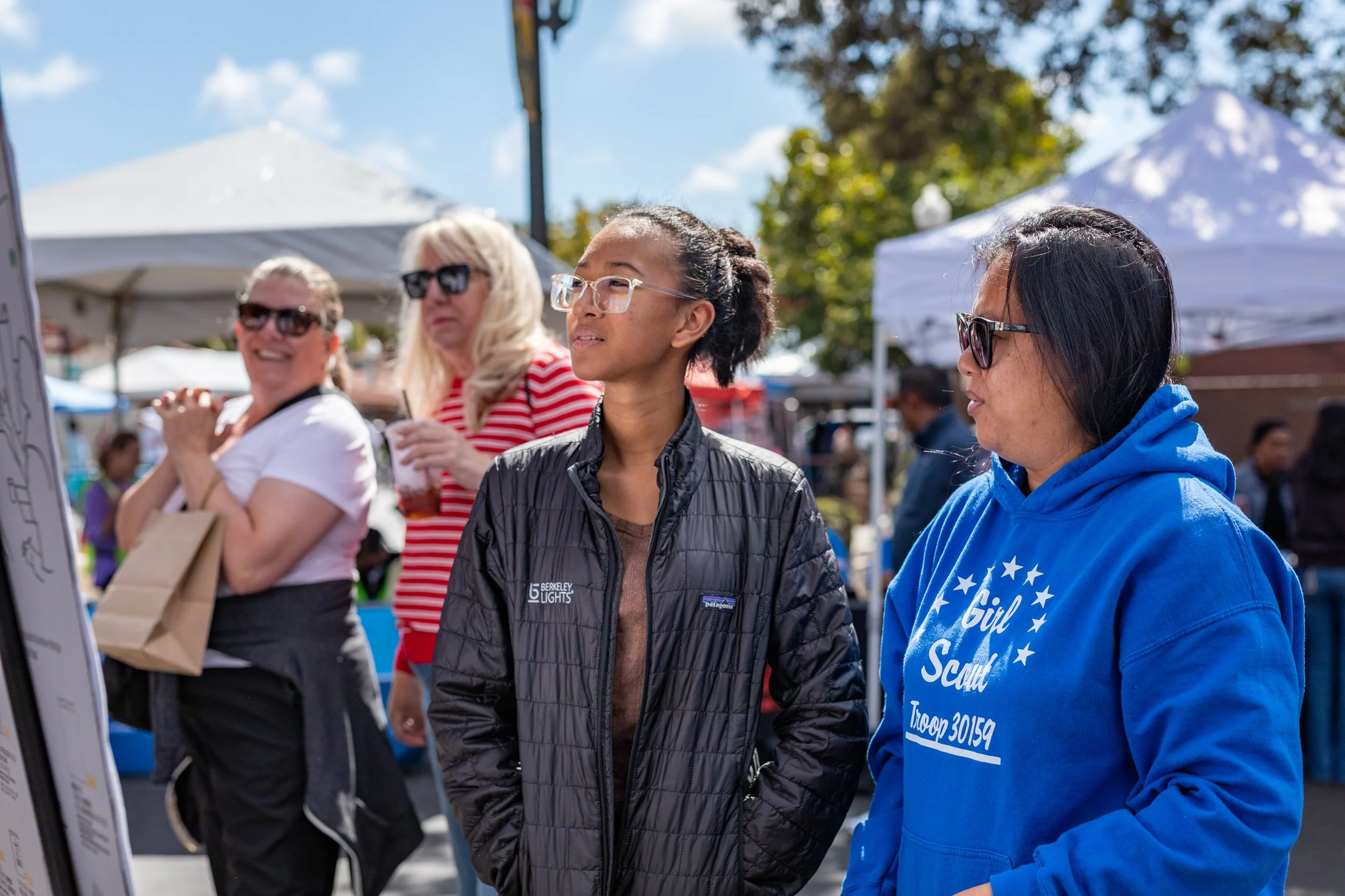
With support from more than $1 million in state grants, we helped San Leandro 2050 engage residents across neighborhoods to develop local air quality and climate priorities, including truck electrification, safer streets, affordable housing, and stronger community connections.
Guided by Rosa Gonzalez's Spectrum of Community Engagement to Community Ownership, we sought to move beyond traditional public consultation toward shared decision-making and community leadership.
But participation in planning wasn't enough. Residents had ideas and wanted change, yet opportunities to remain involved were limited. We learned that lasting climate solutions require communities to help shape, implement, and sustain them, not simply provide input.
02. From Climate Disaster to Community Livability
While reducing greenhouse gas emissions was central to the initiative, residents rarely described their concerns in those terms.
They talked about asthma, trucks near schools, unsafe streets, housing costs, and knowing their neighbors. The language of climate policy often felt disconnected from the things people cared about most.
We shifted communications from abstract climate threats toward a positive vision of healthier, safer, more connected neighborhoods. Through community-centered messaging and illustrations by local artist Alfred Twu, we made climate action tangible and relevant to everyday life.
03. From One-Time Participation to Lasting Civic Infrastructure
Even with stronger messaging, engagement often ended when public meetings did. The challenge wasn't a lack of interest, but a lack of spaces and structures that allowed residents to stay connected and involved.
In 2022, San Leandro 2050 partnered with Bethel Community Church to transform an underutilized garden into a neighborhood gathering space and emerging resilience center.
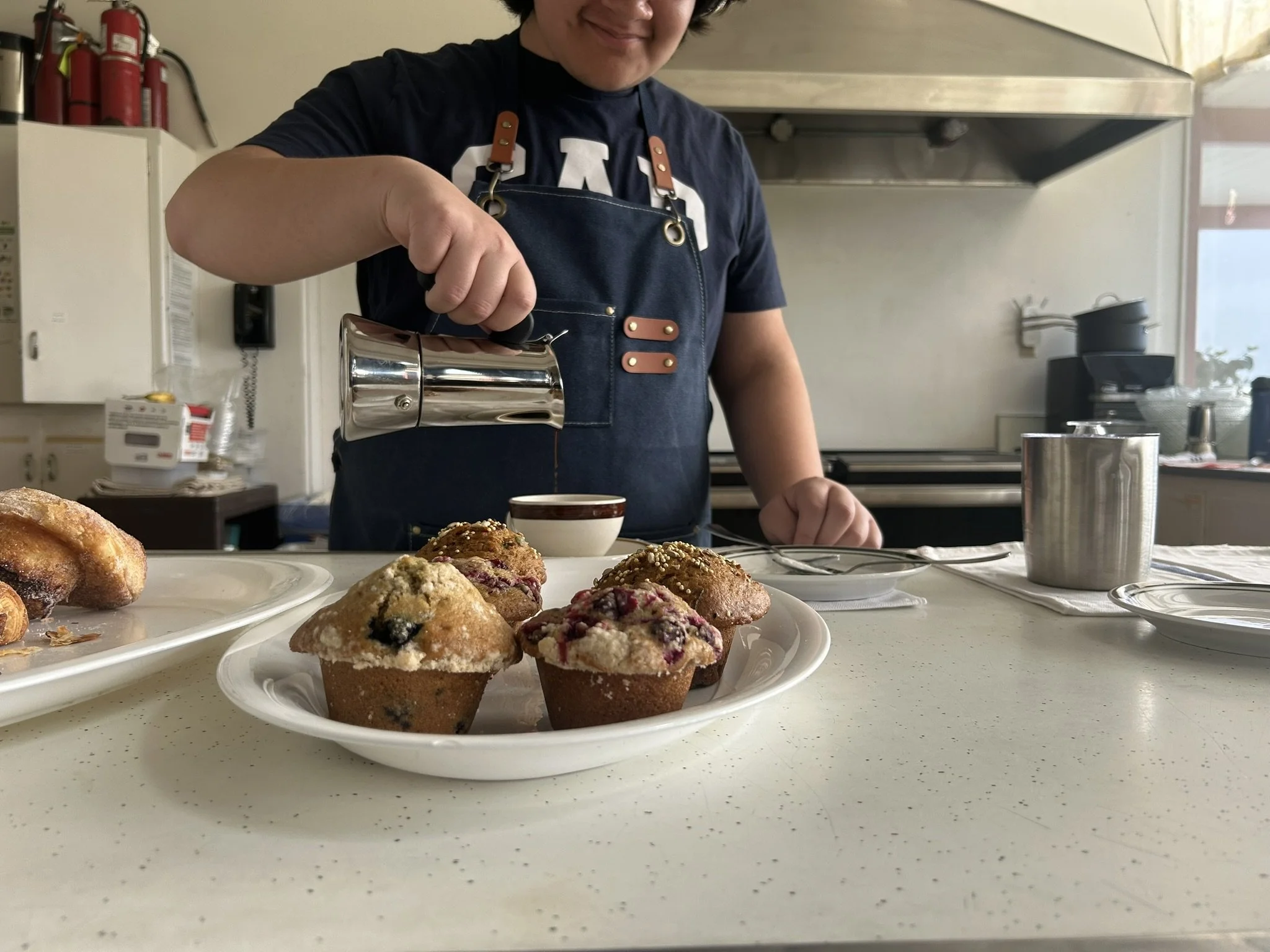
Regular coffee conversations, shared stewardship of the garden, and planned disaster-readiness improvements created opportunities for residents to build relationships and participate over time. Rather than asking people to continually show up for government-led processes, we helped create a space where community participation could become part of everyday life.
What We Learned
Our work with San Leandro 2050 reinforced three lessons about the future of climate communications:
Lead with what people value. Connect climate solutions to health, safety, affordability, and community pride.
Build agency, not just awareness. Give residents meaningful opportunities to shape decisions and participate in solutions.
Invest in lasting relationships. Sustainable climate action depends on the trust, shared spaces, and civic infrastructure that enable communities to work together.
The next frontier of climate communications isn't simply convincing people that change is necessary. It's creating the conditions for communities to make change possible.