Reimagining Our Economy
Client: Central Valley Community Foundation
BRAND IDENTITY AND STRATEGYSTRATEGIC COMMUNICATIONS PLANNINGWEBSITE REDESIGNCOMMUNITY ENGAGEMENTNARRATIVE CHANGE
Open Media was hired by the Central Valley Community Foundation to develop branding and communications for Fresno DRIVE, one of its core economic development initiatives.
In its early stages, Fresno DRIVE developed a logo and website quickly in order to align with funding timelines and major statewide events. While those early efforts helped establish initial momentum, the initiative had not yet articulated a cohesive mission, vision, values, or shared message architecture. Over time, the absence of clear narrative alignment led to confusion among partners and inconsistent public understanding. At the same time, the coalition set an ambitious goal of activating 30,000 residents and partners to build broad awareness and coordinated action. That aspiration revealed a deeper challenge: many residents did not understand what “the economy” or “economic development” meant in their daily lives, and many felt disconnected from it.
Key opportunities:
No clear articulation of mission, vision, values, or core messages
Inconsistent language across partners, leading to confusion
Outdated materials and limited brand recognition
A desire to mobilize 30,000 residents and partners, but without a shared narrative
A deeper barrier: many residents do not understand what “the economy” or “economic development” mean
To change the system, we need to change the story
Designing an approach based on community engagement and narrative change
Our work began with a structured listening and discovery process designed to understand where residents and partners were starting from. We conducted fifty in-depth interviews with community members and organizational leaders, facilitated a youth focus group, hosted a Spanish-language focus group, and established a twelve-member steering committee representing diverse organizations and neighborhoods across Fresno. These conversations explored not only familiarity with Fresno DRIVE, but also perceptions of the economy more broadly.
Narrative Findings
Through interviews and focus groups, we examined how residents defined “the economy” and “economic development,” whether they felt agency within it, and the dominant stories shaping perceptions of Fresno.
Three clear findings emerged.
1. Innovation and progress are seen as coming from outside.
Many residents described economic growth as something driven by external investment, developers, or institutions. Success was often measured by expansion and construction, with less attention to who benefits or whether that growth is equitable and lasting. Local communities were rarely viewed as the primary source of solutions.
2. The economy feels abstract and outside individual control.
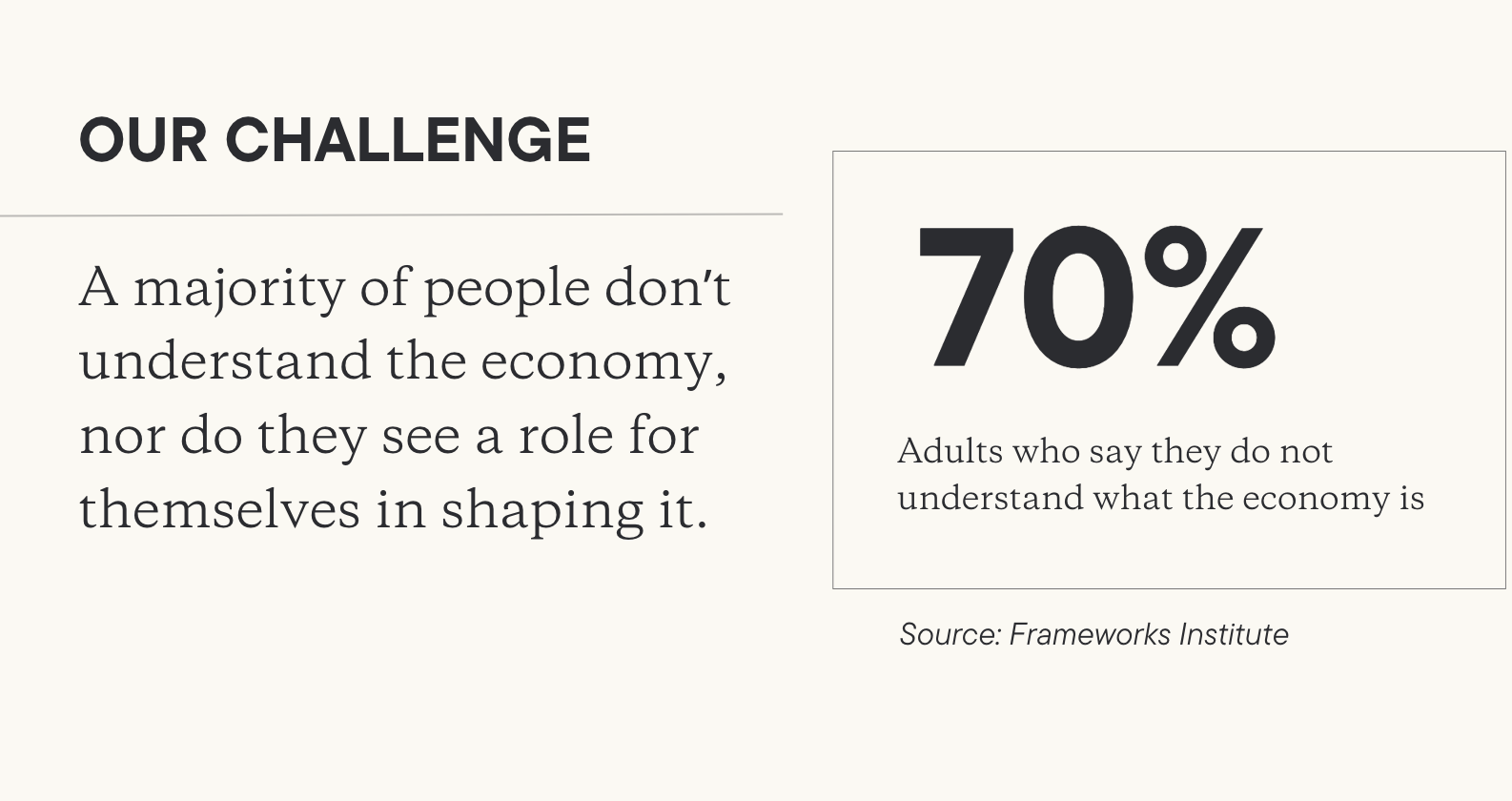
Participants frequently associated the economy with experts, corporations, or government rather than with their own daily contributions. Even small business owners and workers did not instinctively identify themselves as economic actors. The language of economic development created distance rather than ownership. This perception closely aligned with national research. According to the FrameWorks Institute, 70% of adults say they do not understand what the economy is, reinforcing that this is not just a Fresno challenge, but a broader narrative barrier.
3. Opportunity is seen as happening outside of Fresno.
Many described Fresno as overlooked by political power centers and national media — a place people move through on their way to larger cities. This narrative reinforced the belief that opportunity happens elsewhere and that the region is shaped by outside forces rather than by its own people.
At the same time, when asked what they wanted Fresno’s future to look and feel like, residents described safe neighborhoods, thriving local businesses, meaningful jobs, strong schools, and cultural vitality. Their aspirations were relational and place-based, not technical.
This contrast guided the strategic direction of the project. Rather than relying on policy language, the work focused on introducing a new mental model: people are the economy. Economic development would be reframed as something built through everyday actions, shared responsibility, and collective authorship.
Brand identity and strategy
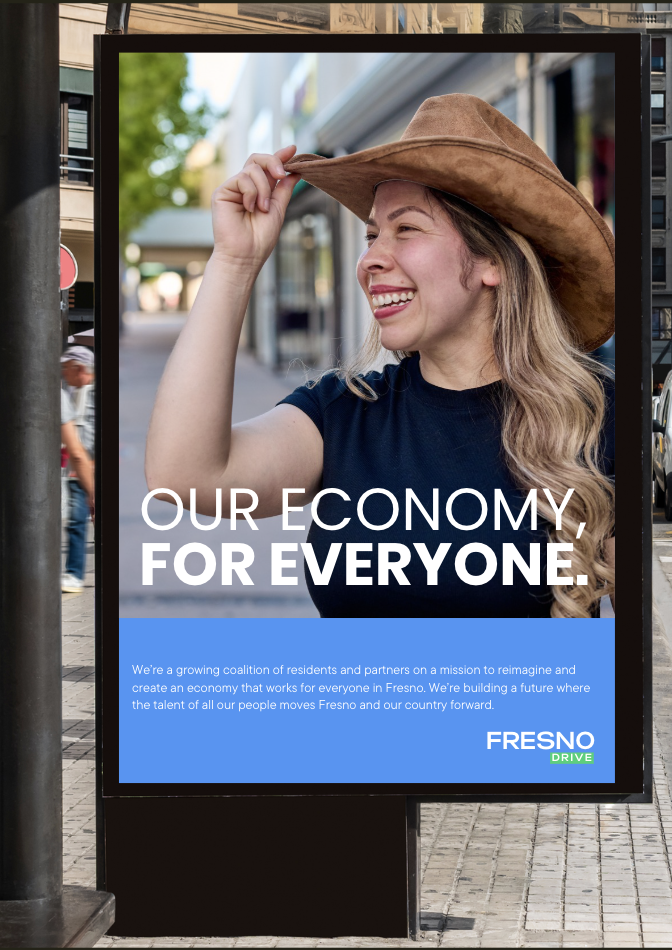
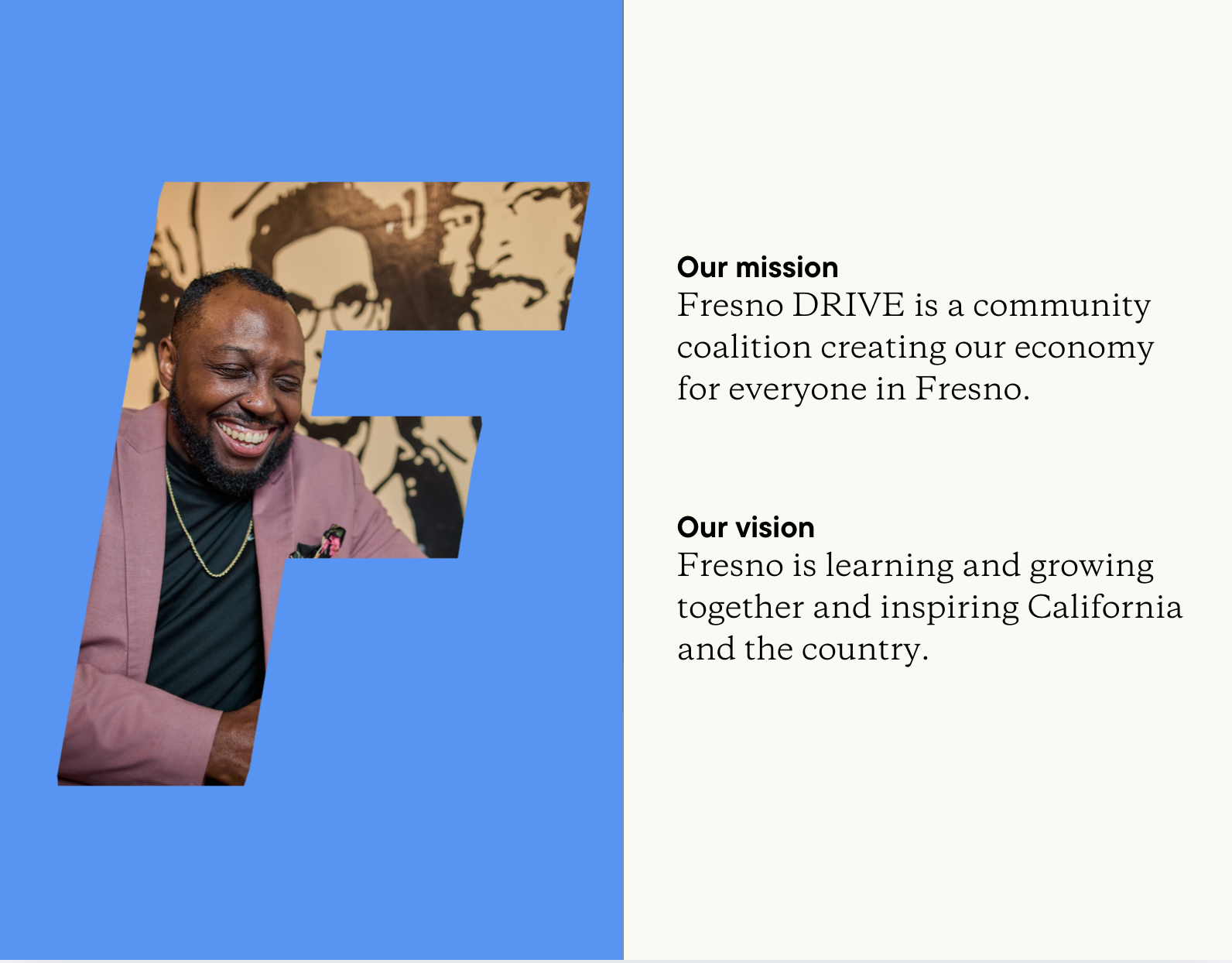
From this starting point, we developed a brand identity designed to evoke belonging and shared ownership. The mission was articulated as a community coalition creating “Our Economy” for everyone. The vision positioned Fresno as a region growing together and inspiring the future of California and the country. The emphasis on “our” was intentional, signaling collective authorship and shared benefit.
Logo redesign
The logo and visual system reinforced this approach. “Fresno” was centered as the primary identifier, signaling that the coalition exists in service of the city rather than as an entity unto itself. The minimal design functioned as a canvas on which community voices could be layered. The right-aligned placement of “DRIVE” conveyed forward movement, while the green bar behind the word echoed the form of a street sign, grounding the work in neighborhood identity and local place. The visual language positioned economic transformation as something that happens in streets, storefronts, and community spaces.
Reframing the narrative required more than visual identity. We reworked core messaging to replace technical terminology with accessible language that reflected how residents actually describe their aspirations. Economic development was translated into stories about jobs, small businesses, training programs, and families building stability. The brand language consistently reinforced agency, belonging, and shared momentum.
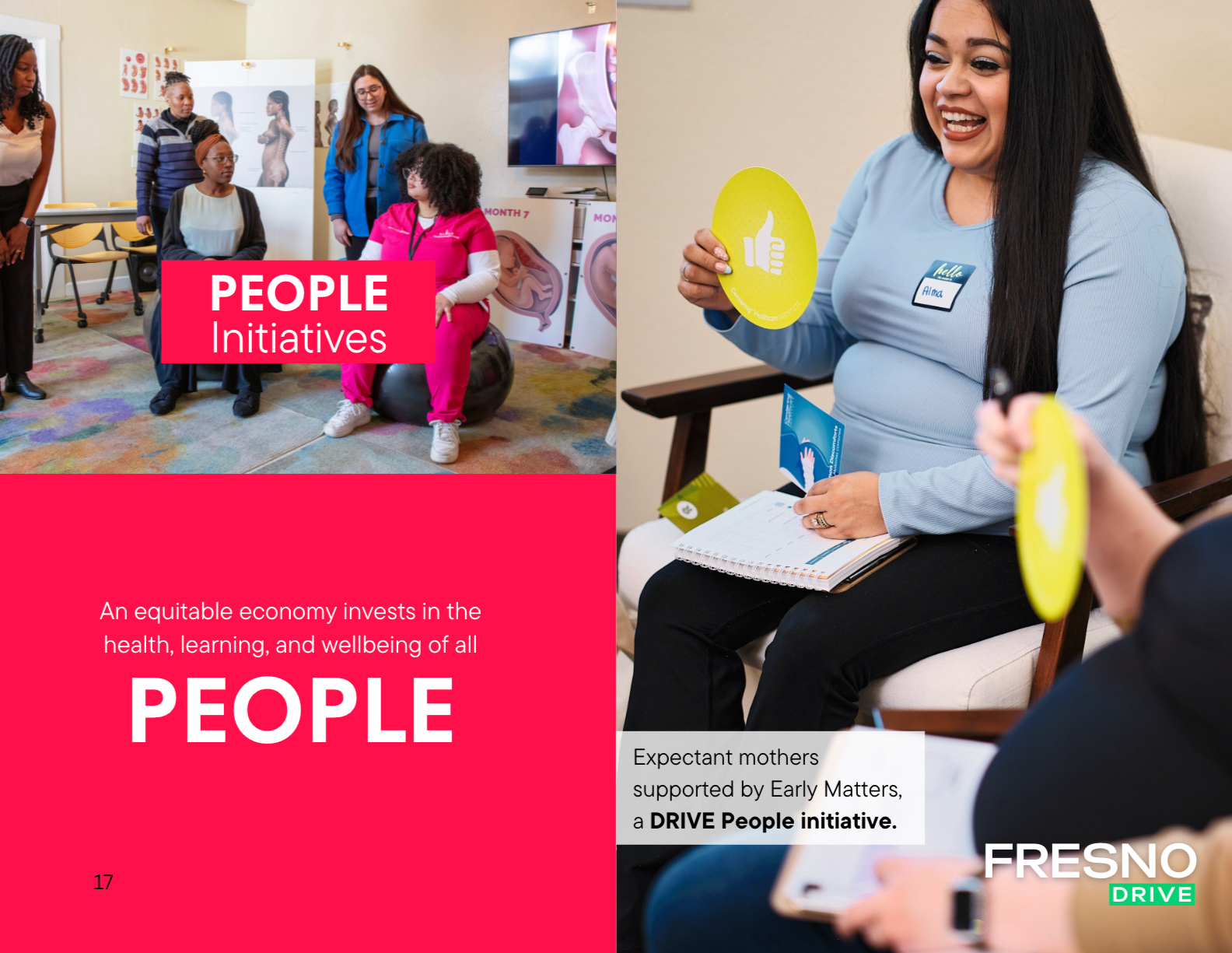
Part of the brand work therefore involved translating technical concepts into accessible building blocks. Rather than organizing initiatives around policy categories, we introduced a simple, intuitive framework: People, Place, and Prosperity.
This structure reframed economic development as something tangible and interconnected. It allowed residents to understand how different efforts fit together and where they could engage. It also gave partners a shared organizing language that translated complex strategies into everyday terms.
Importance of imagery
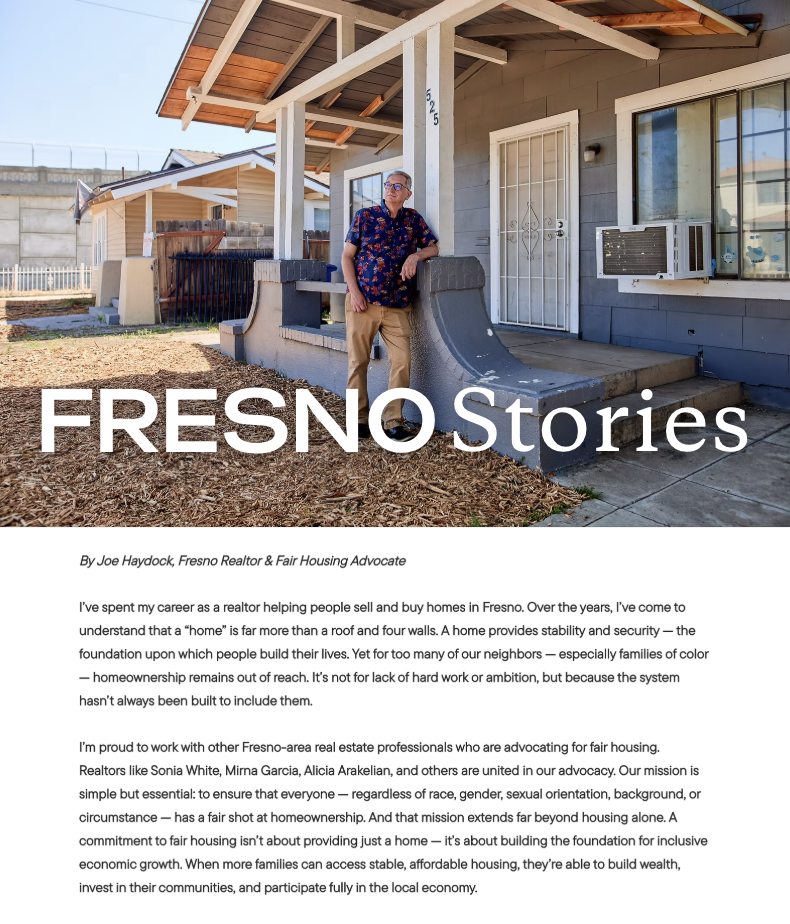
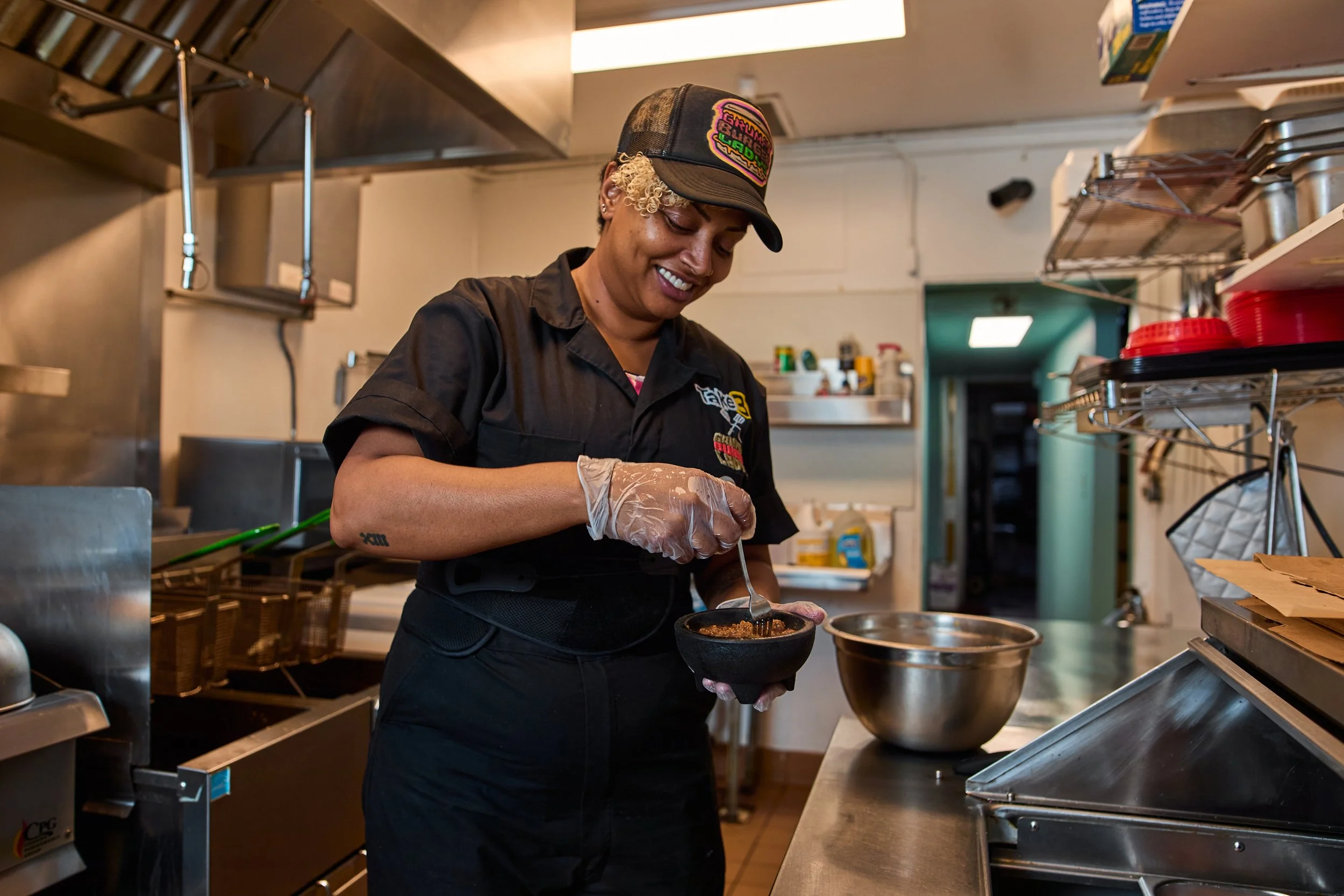
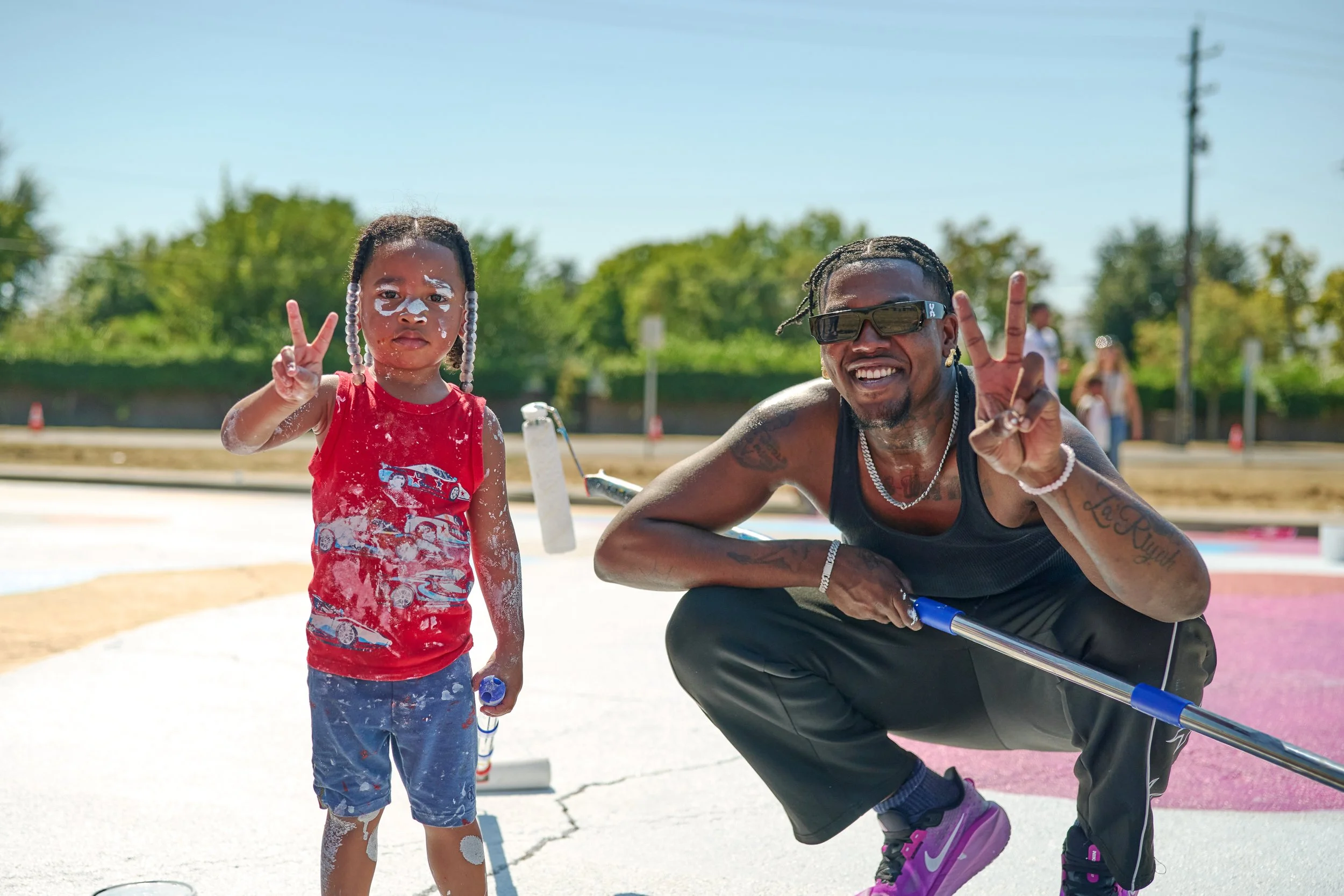
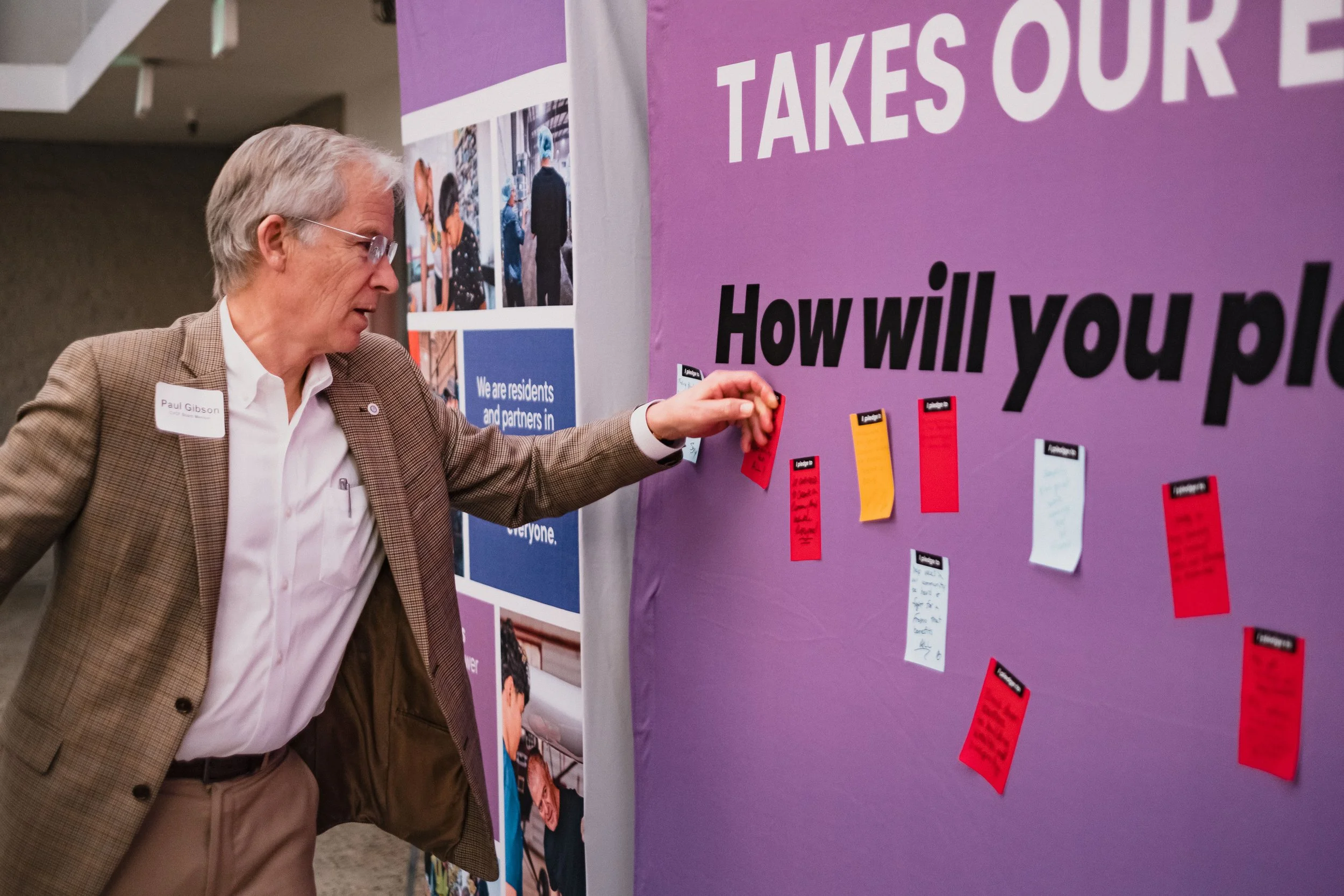
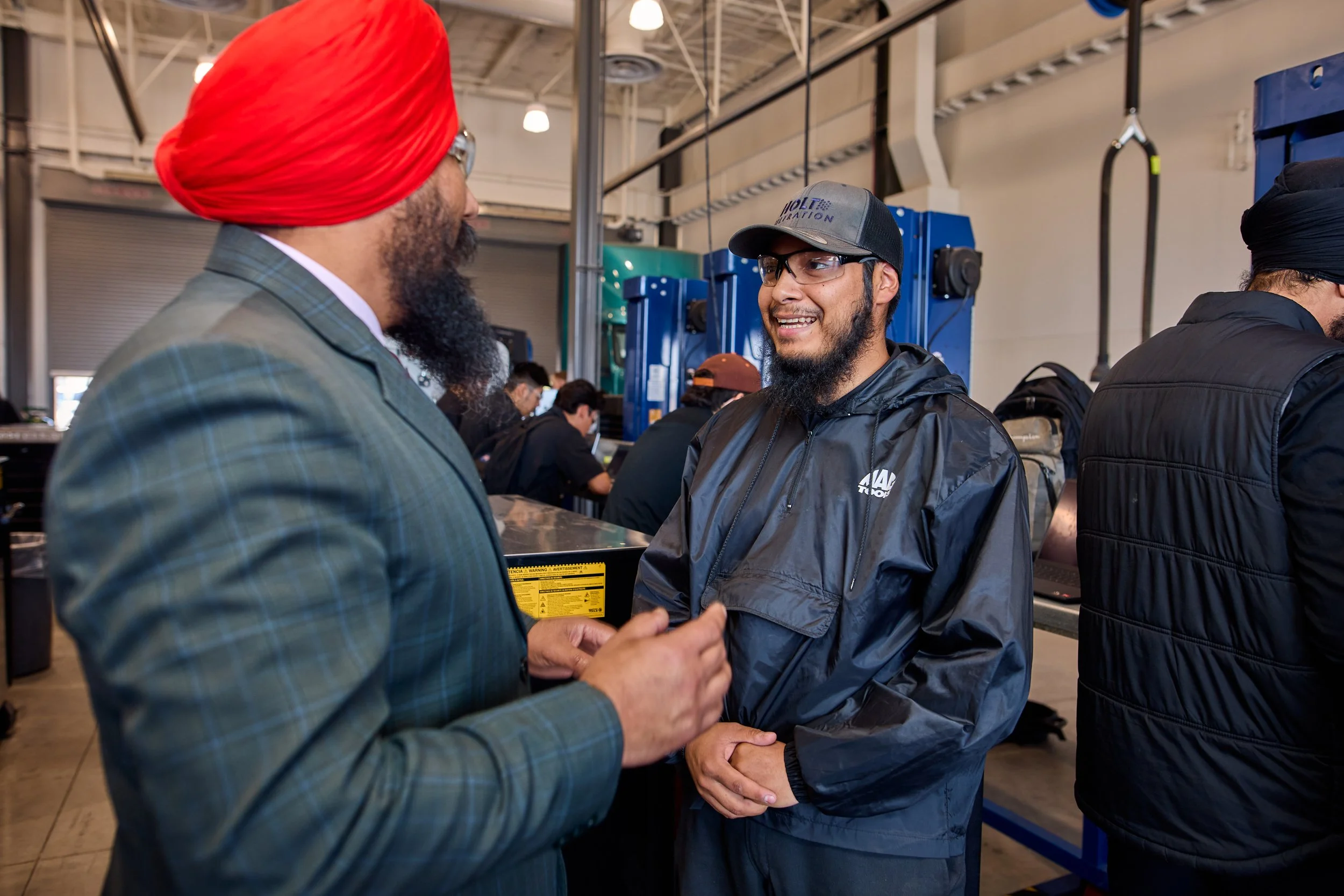
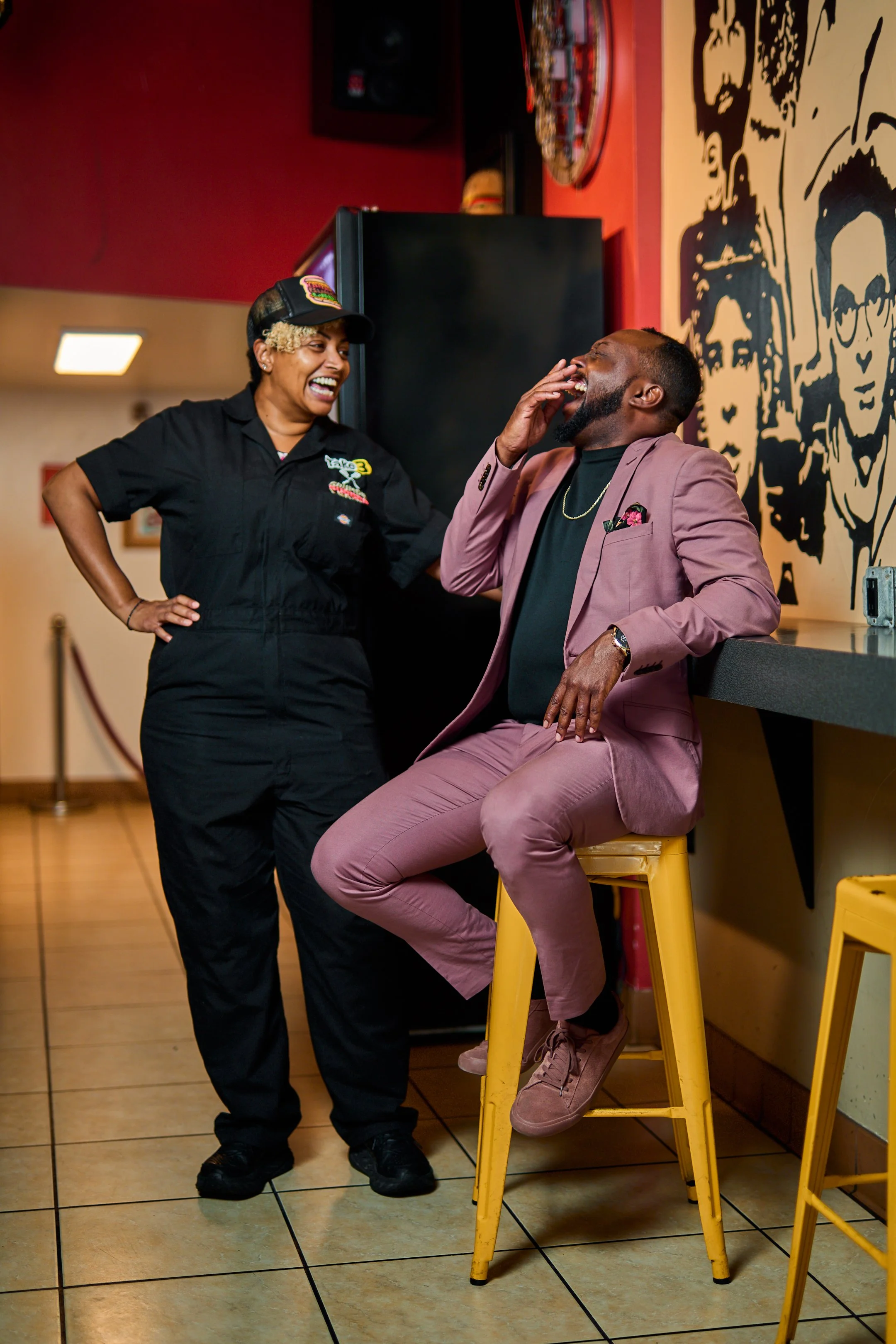
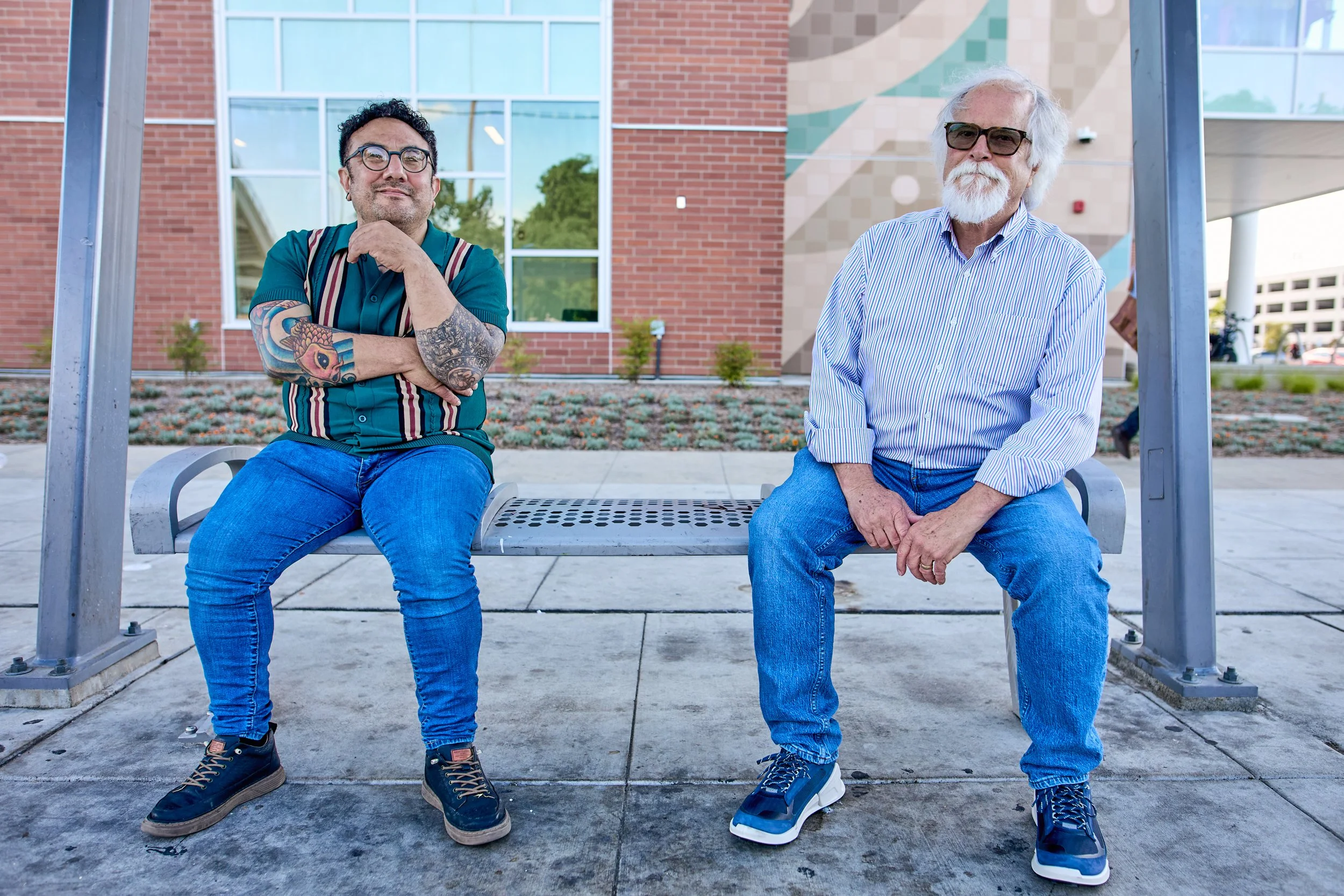
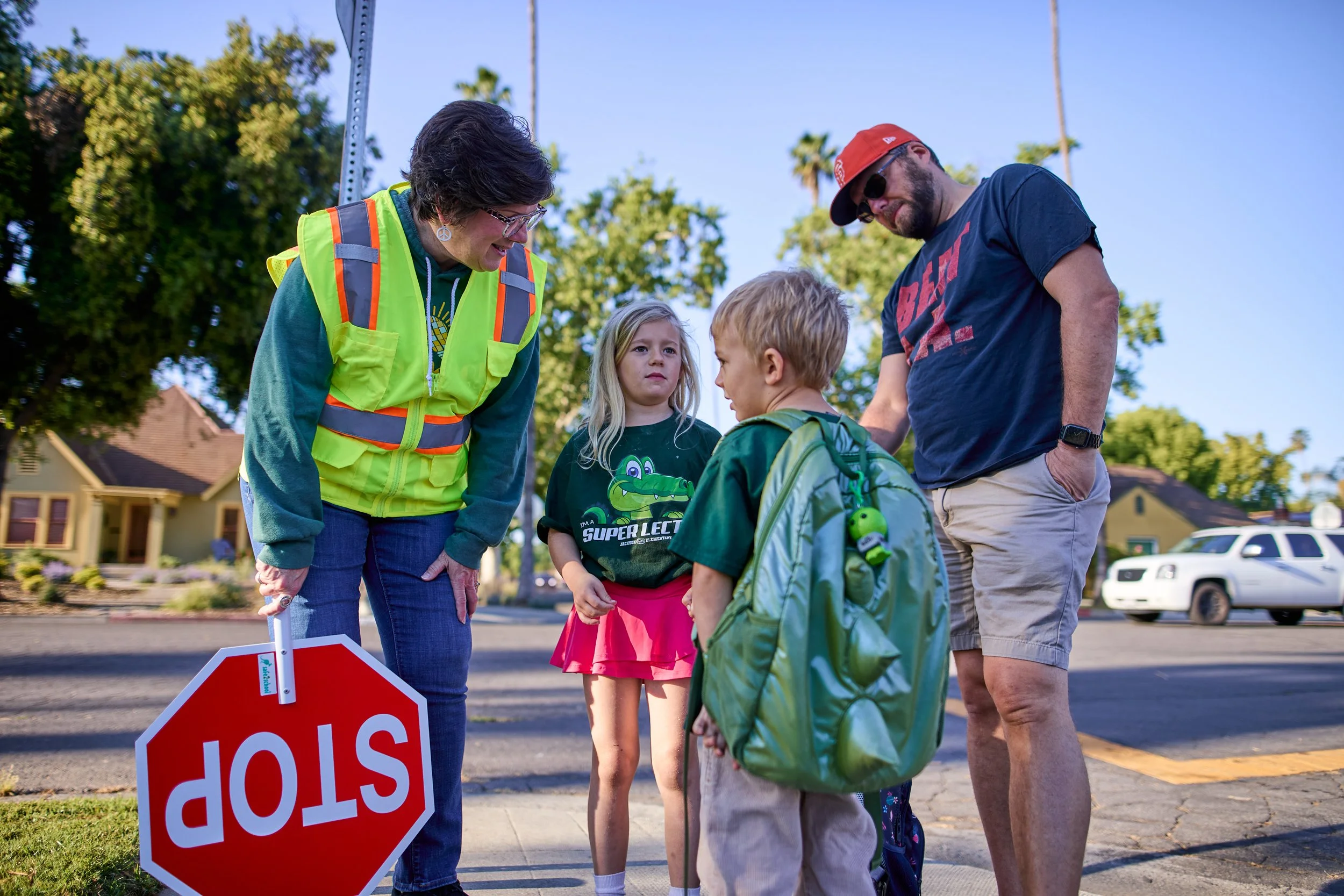
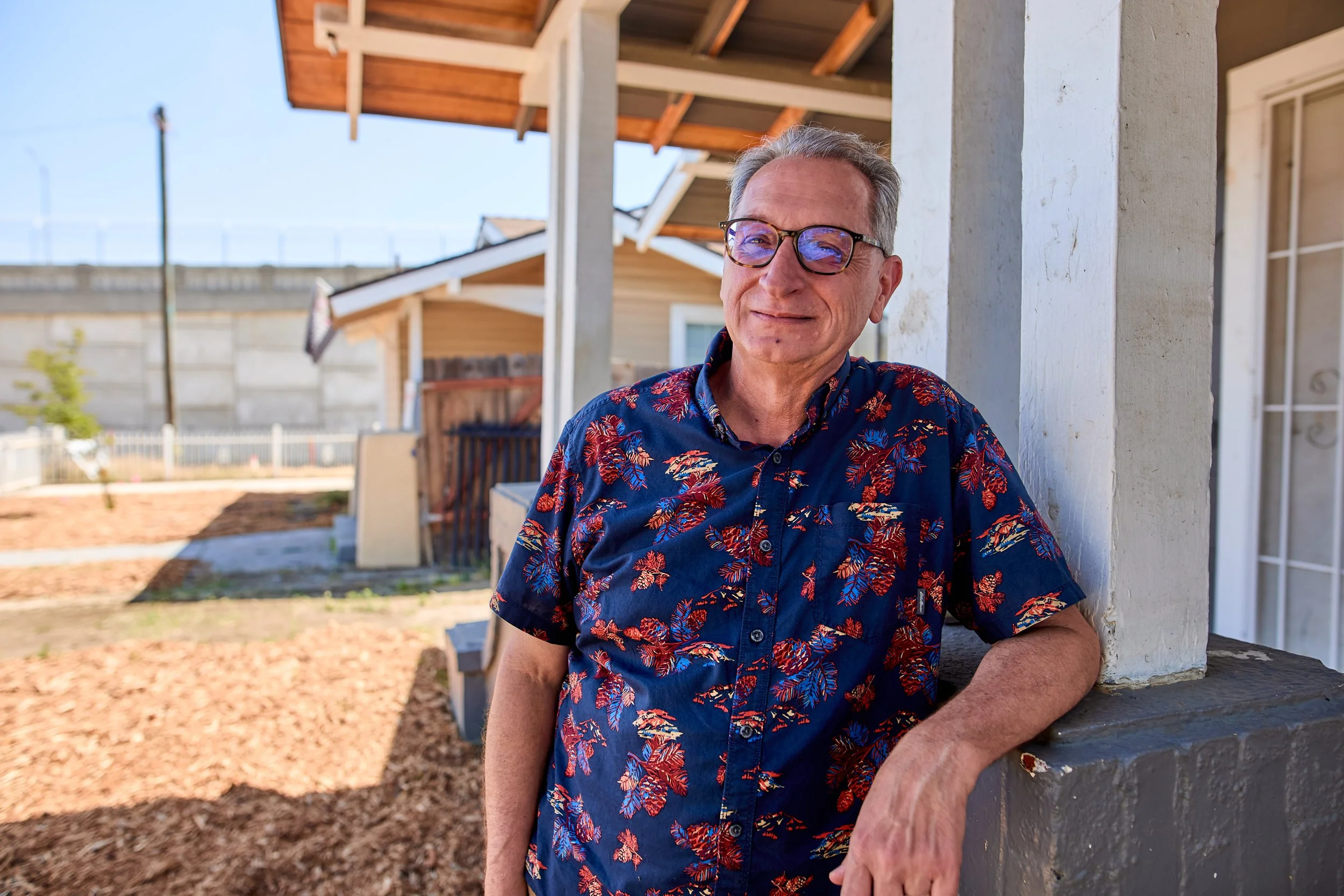
Photography also became an important tool in developing the brand. Open Media spent a week documenting small business owners, workforce training programs, neighborhood leaders, and cultural spaces across Fresno. The images emphasized connection, pride, and everyday leadership. Rather than portraying the economy as infrastructure or industry alone, the visuals made visible the people whose labor, creativity, and relationships sustain it. In doing so, the campaign surfaced one of Fresno’s defining strengths: a deeply connected community fabric that cuts across neighborhoods and sectors.
Activation: Bringing the new brand and narrative to life
With the brand and narrative foundation in place, we implemented a coordinated communications plan to bring the movement into public view. Fresno Stories became a flagship storytelling series highlighting residents, entrepreneurs, and leaders shaping the region’s economic future. These stories translated strategy into lived experience and reinforced the central message of shared ownership.
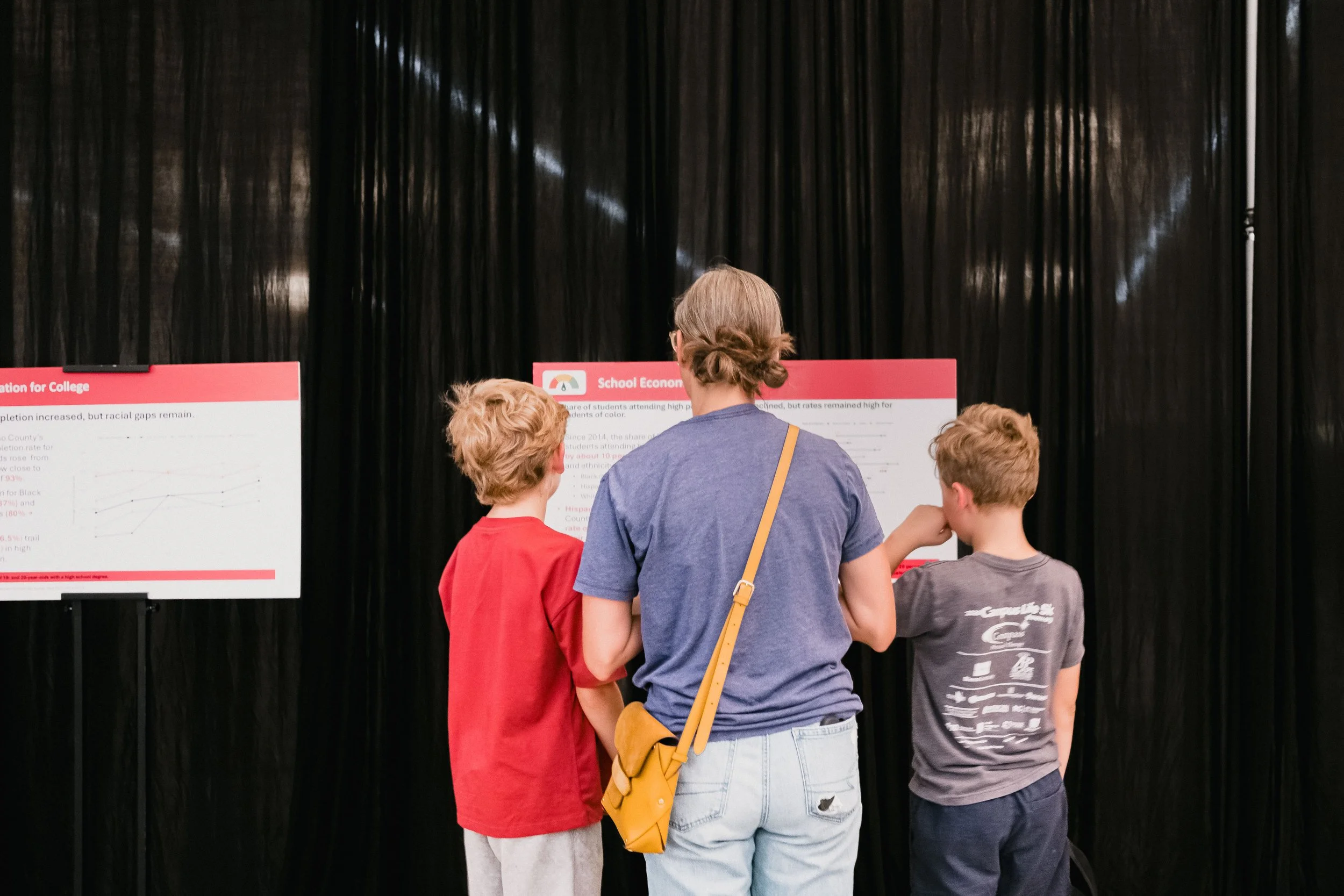
A public launch event marked a significant milestone. More than 400 residents and leaders gathered to affirm their commitment to creating “Our Economy.” During the event, new data was released showing measurable improvements in racial and economic inclusion since the initiative’s inception in 2019. Open Media coordinated earned media efforts, securing both local and statewide coverage.